1. By Product Form
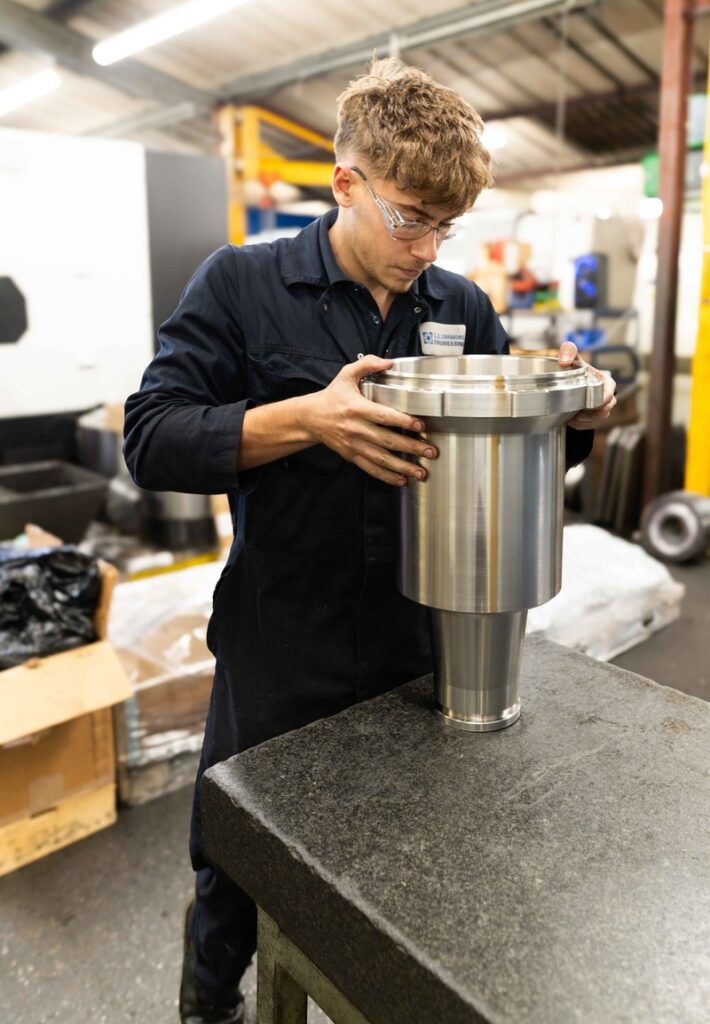
17-4 PH stainless steel is produced in a wide range of physical forms depending on how it’s going to be used.
You can find it as bars, rods, plates, sheets, strips, forgings, and castings, and even as powder for additive manufacturing (3D printing).
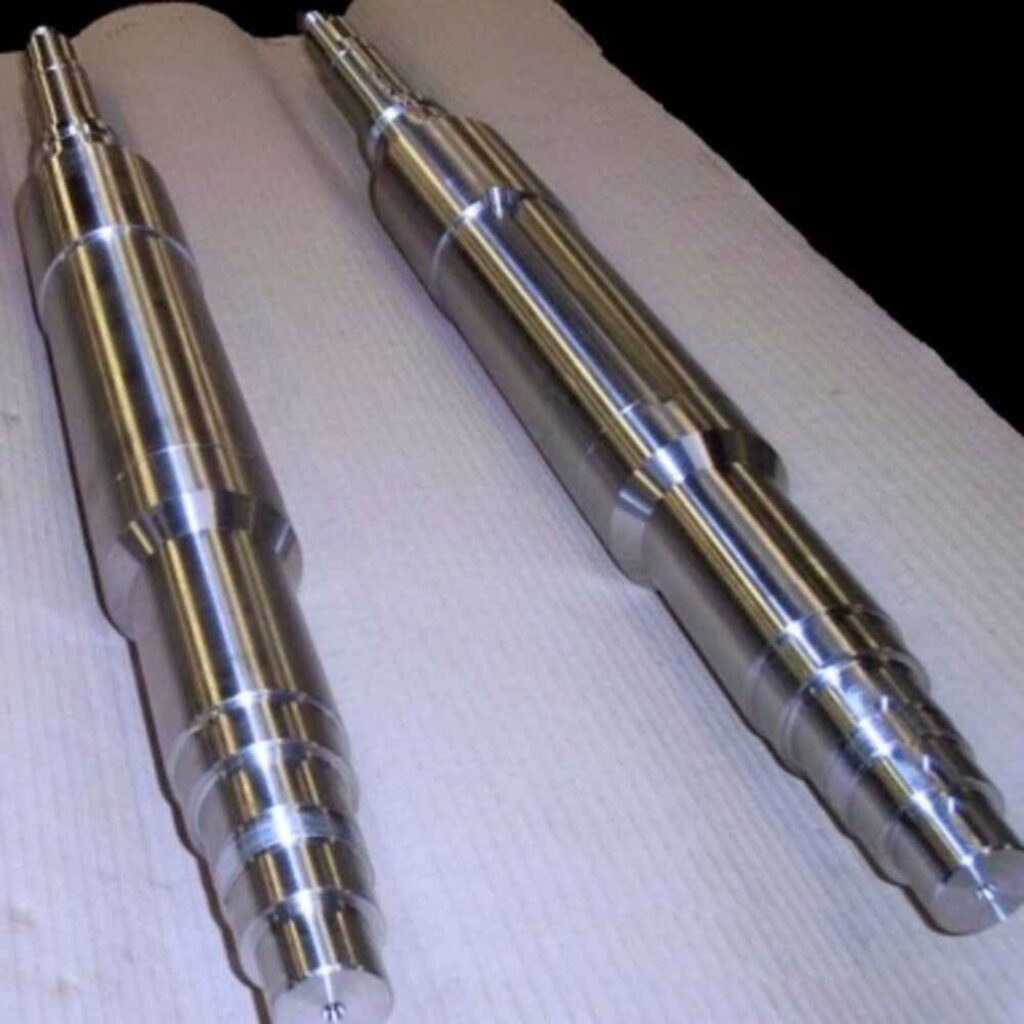
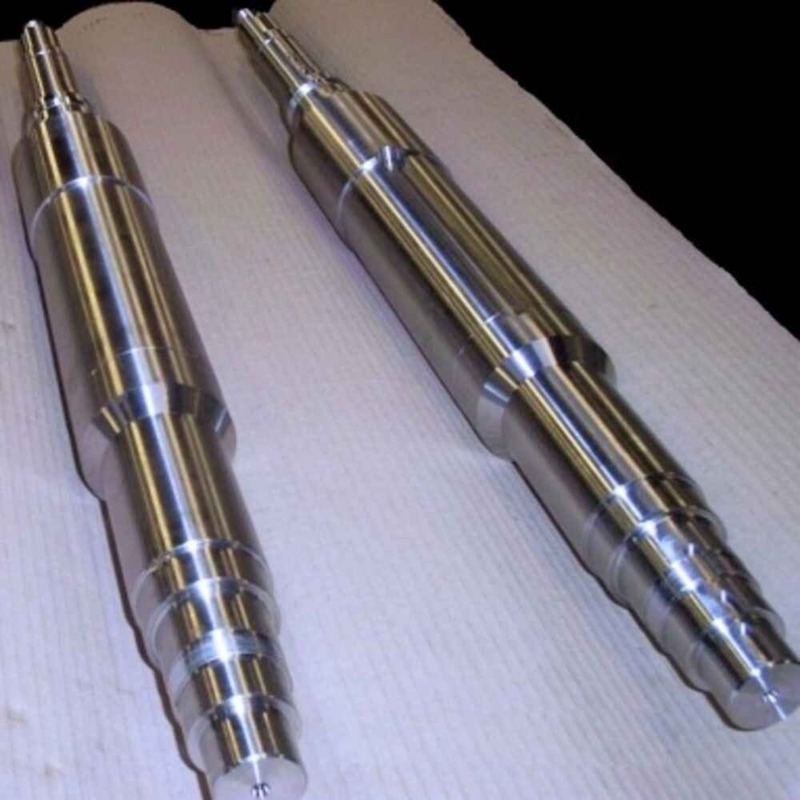
- Bars and rods are the most common and are used for shafts, fasteners, and fittings.
- Plates and sheets are used for larger structures or machined parts.
- Forgings are chosen when very high strength and reliability are required, such as in aerospace or heavy machinery.
- Castings are used for complex shapes like valve bodies or pump housings, and are usually made under the designation CB7Cu-1.
2. By Heat Treatment (Aging Condition)
The term “PH” stands for precipitation hardening, which is how the material gains its strength. After being solution treated (called Condition A), 17-4 PH can be aged at various temperatures to achieve different combinations of strength and toughness.
Each heat treatment condition is given a code, such as H900 or H1150.
- Condition A means the material has only been solution treated and not yet hardened. It’s softer and easier to machine or form.
- H900 gives the highest strength but the least ductility (hardest condition).
- H925 and H1025 are slightly softer, offering a better balance between strength and toughness.
- H1075 and H1100 provide good overall toughness and are often used when impact resistance is needed.
- H1150 gives the best toughness and resistance to stress corrosion cracking but at the cost of lower strength.
- H1150M (the “modified” condition) is a double-aged process that maximizes stress corrosion cracking resistance for critical environments like marine or chemical processing.